Who Gets Grandma's Famous Recipe? Estate Planning for Sentimental Possessions
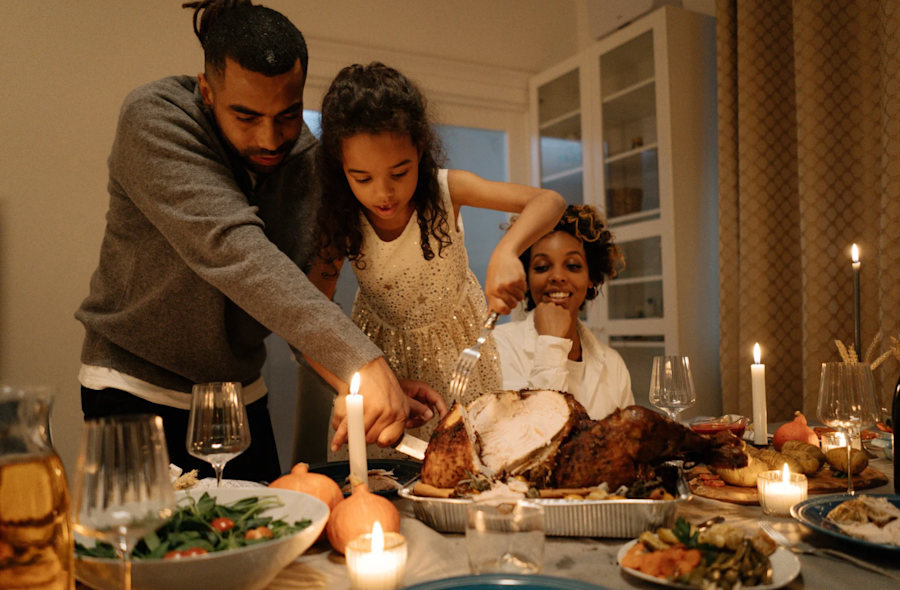
Thanksgiving is a time for gathering around the table, sharing stories, and enjoying the dishes that have been passed down through generations. Maybe it's your grandmother's famous pumpkin pie, your father's secret stuffing recipe, or the holiday decorations your family has brought out every year for as long as you can remember.
These traditions and keepsakes may not have much monetary value, but to the people who cherish them, they can be priceless.
When we think about estate planning, we tend to focus on wills, trusts, property, and financial assets. But estate planning is about more than deciding who gets what. It's also about preserving the memories, traditions, and stories that make your family yours.
And sometimes, the most meaningful things we leave behind aren't things money can buy.
The Things That Matter Most Don't Always Cost the Most
Think about the objects in your home that hold special meaning. Maybe it's a handwritten recipe card covered in flour stains, a collection of family photographs, or a piece of jewelry that's been passed down for generations.
To someone outside your family, these might look like ordinary belongings. But to you, they represent holidays spent together, childhood memories, and the people who shaped your life.
These are sentimental possessions, and their emotional value can far outweigh their financial worth.
Unfortunately, they're also easy to overlook when making an estate plan. After all, when you're thinking about major assets like your home, savings, or investments, a box of old photographs might not seem particularly important.
But imagine how much those photographs could mean to your children or grandchildren someday.
Who Gets Grandma's Famous Recipe?
Here's something you might not have considered: What happens to your family's traditions when the person who kept them alive is no longer around?
Maybe Grandma was the only one who knew exactly how to make her famous pie. Maybe Dad had a special way of decorating the house for the holidays. Or perhaps there's a family story you've heard a hundred times but never thought to write down.
Without someone to preserve these little pieces of family history, they can disappear over time.
And unlike a house or a bank account, not everything meaningful can simply be transferred through a legal document.
That's why legacy planning can go beyond traditional estate planning. It might mean recording a loved one's stories, digitizing old photographs, writing down recipes, or leaving personal letters for future generations.
These small acts can help preserve the memories and traditions that connect one generation to the next.
Planning for the Possessions That Hold Special Meaning
Of course, some sentimental belongings are physical items that you may want to leave to specific people.
A grandmother's wedding ring, a collection of books, a family quilt, or even a favorite holiday ornament can carry enormous emotional significance.
And because different family members may feel attached to the same belongings, it's worth thinking about how you'd like them passed down.
Here are a few ways to get started:
1. Identify the belongings that matter most. Take inventory of family heirlooms, keepsakes, photographs, and other possessions with sentimental value.
2. Ask your loved ones what matters to them. You might be surprised to learn that your daughter treasures an old cookbook more than an expensive piece of jewelry, or that your son wants the holiday decorations you put up together every year.
3. Document your wishes. Depending on state law, you may be able to use your will or a legally recognized personal property memorandum to specify who should receive certain belongings. For valuable or potentially disputed items, consider seeking legal guidance.
4. Share the stories behind them. An heirloom becomes even more meaningful when the person receiving it understands its history. Consider writing a short note explaining where an item came from and why it matters.
Remember, documenting your wishes can help reduce confusion, but informal notes or digital records don't necessarily replace legally valid estate planning instructions.
Your Digital Legacy Matters, Too
Not every family treasure is something you can hold in your hands.
Today, many of our most meaningful memories live on our phones, computers, and online accounts. Family videos, photographs, voice recordings, letters, and even digital recipe collections can all become part of the legacy we leave behind.
But what happens if no one knows where those memories are stored?
Without a little preparation, loved ones may struggle to locate important files or access the digital keepsakes you'd want them to have.
That's where GoodTrust's Digital Vault can help.
The Digital Vault provides a secure place to organize and store important digital information and documents, including meaningful family records and memories. By keeping these materials organized and making appropriate arrangements for trusted loved ones, you can help ensure that the stories and keepsakes you value aren't forgotten.
Whether it's a scanned copy of Grandma's handwritten recipe, a collection of family photographs, or a letter to your children, preserving your digital legacy can be just as meaningful as planning for your financial one.
The Greatest Inheritance Isn't Always Financial
This Thanksgiving, as you gather with loved ones and revisit familiar traditions, take a moment to think about the little things that make your family special.
Maybe it's time to ask Grandma to write down that recipe, record your parents telling their favorite childhood stories, or finally digitize the old photographs sitting in a box.
Because leaving a legacy isn't just about passing down possessions. It's about passing down pieces of yourself, your family, and the memories that deserve to live on.
GoodTrust helps you protect more than your financial future. With our secure Digital Vault, you can organize important information, preserve meaningful memories, and take steps to keep your family's legacy alive for generations to come.